The Best Sleep Tools for Entrepreneurs
Sleep tools that actually help when your brain will not shut off.
For a lot of founders, the workday does not end when the laptop closes. The tabs are gone, but the mental load is still running: decisions, loose ends, tomorrow's priorities, one more problem to solve.
That is usually where sleep starts to break down.
You do not need an elaborate evening protocol or an endless stack of wellness gadgets. You simply need a few precise tools that eliminate friction at the points of failure:
- A method to close open loops and stop mental carryover
- A dedicated way to block ambient light
- A consistent way to neutralize background noise
- A single piece of tracking tech that offers insight without demanding obsession
That is the true standard for founders. We are not evaluating sleep tech in the abstract. We are looking for the exact tools that sustain your recovery through quiet weeks, high-pressure sprints, and heavy travel.
Quick Answer
If you want the shortest version:
Start With the Actual Sleep Problem
The real problem is not effort. It is carryover.
Entrepreneurs do not struggle with sleep because they lack the discipline to recover. They struggle because their nervous system never gets a clean shutdown.
For founders, that typically looks like:
- Transitioning straight from high-stakes decisions to bed
- Lying awake mentally rehearsing tomorrow's calendar
- Losing sleep to early morning light or inconsistent hotel blackout curtains
- Having your rest fractured by street noise, travel, or a partner
- Wanting sustainable recovery without the burden of an elaborate routine
The right tools are valuable because they surgically remove these friction points. The challenge is bypassing the aggressively marketed hype to find the few tools that actually perform.
Start with the three biggest sleep frictions
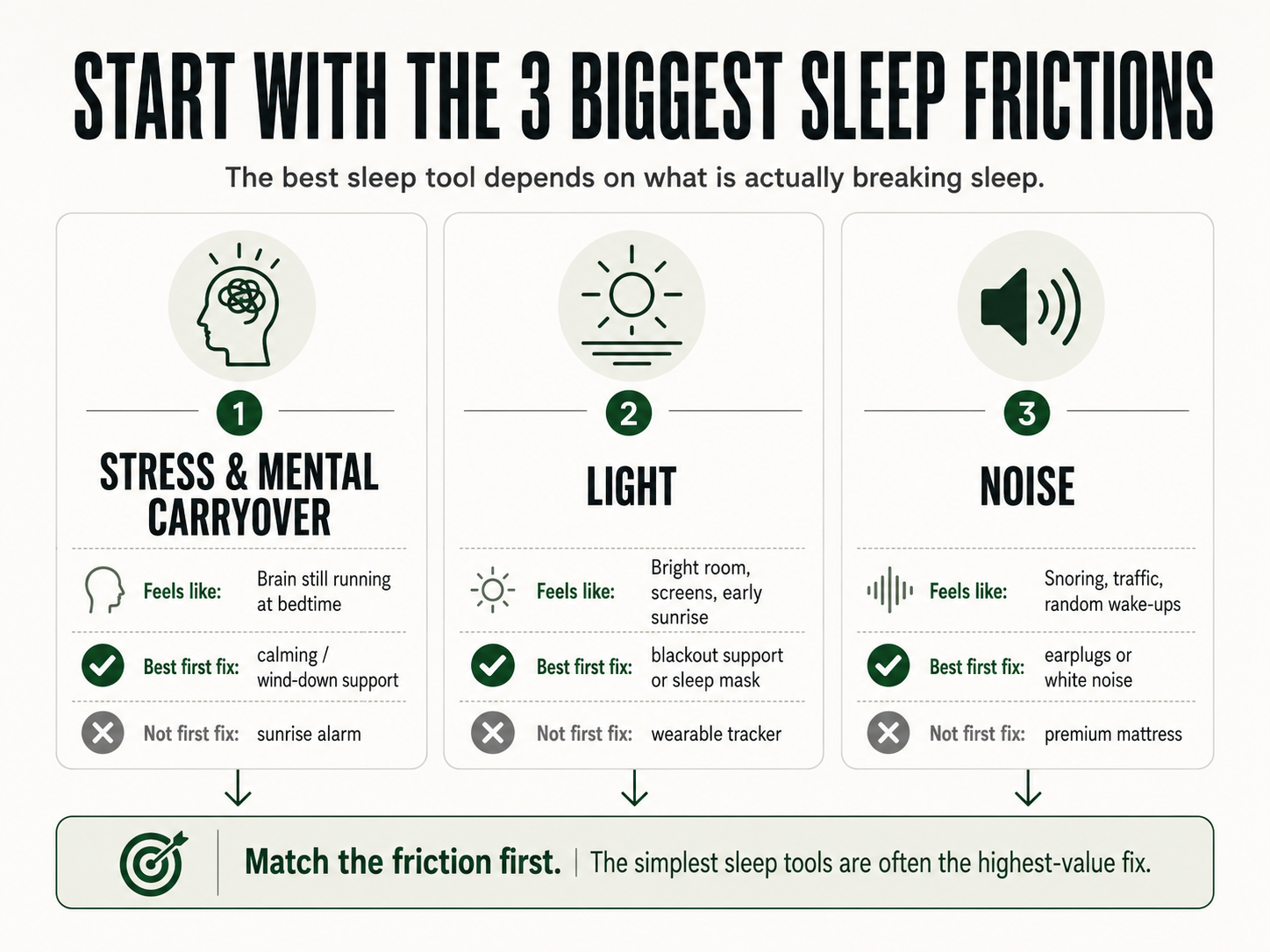
For most founders, sleep problems usually come from three buckets:
- Stress and mental carryover
- Light
- Noise
That matters because the best fix depends on which problem is actually breaking sleep.
- If your brain is still running, a sunrise alarm is not the first fix.
- If your room is bright, a wearable is not the first fix.
- If random sound keeps waking you up, a premium mattress is not the first fix.
That is why the highest-value sleep tools are often simpler than people expect.
Best Tools for Stress and Mental Carryover
The core point here is simple: a paper journal, a short breathing exercise, or a simple shutdown ritual are often higher leverage than more sleep tech.
The main founder mistake is overbuilding the routine.
A shutdown tool should be:
- Quick
- Repeatable
- Low-maintenance
- Easy to use even after a long day
Best for Most Founders: Analog Tools
- paper journal or notebook
- short guided breathing or meditation audio
- one simple analog cue, like tea or a fixed shutdown checklist
Best For
- • founders with racing thoughts at bedtime
- • operators coming off late work sessions
- • people who want a short shutdown ritual, not a 10-step system
Skip If
- • journaling turns into more planning
- • guided audio keeps you mentally engaged
- • your sleep ritual starts to feel like another project
Is stress the actual bottleneck?
If your brain won't shut off, fixing your workday carryover is step one.
Best Sleep Masks for Entrepreneurs
If light is part of the problem, a good sleep mask is one of the highest-return sleep tools you can buy.
The better ones now use contoured or modular designs that block light more completely while avoiding pressure on the eyes, which matters for REM comfort and side-sleeper usability.
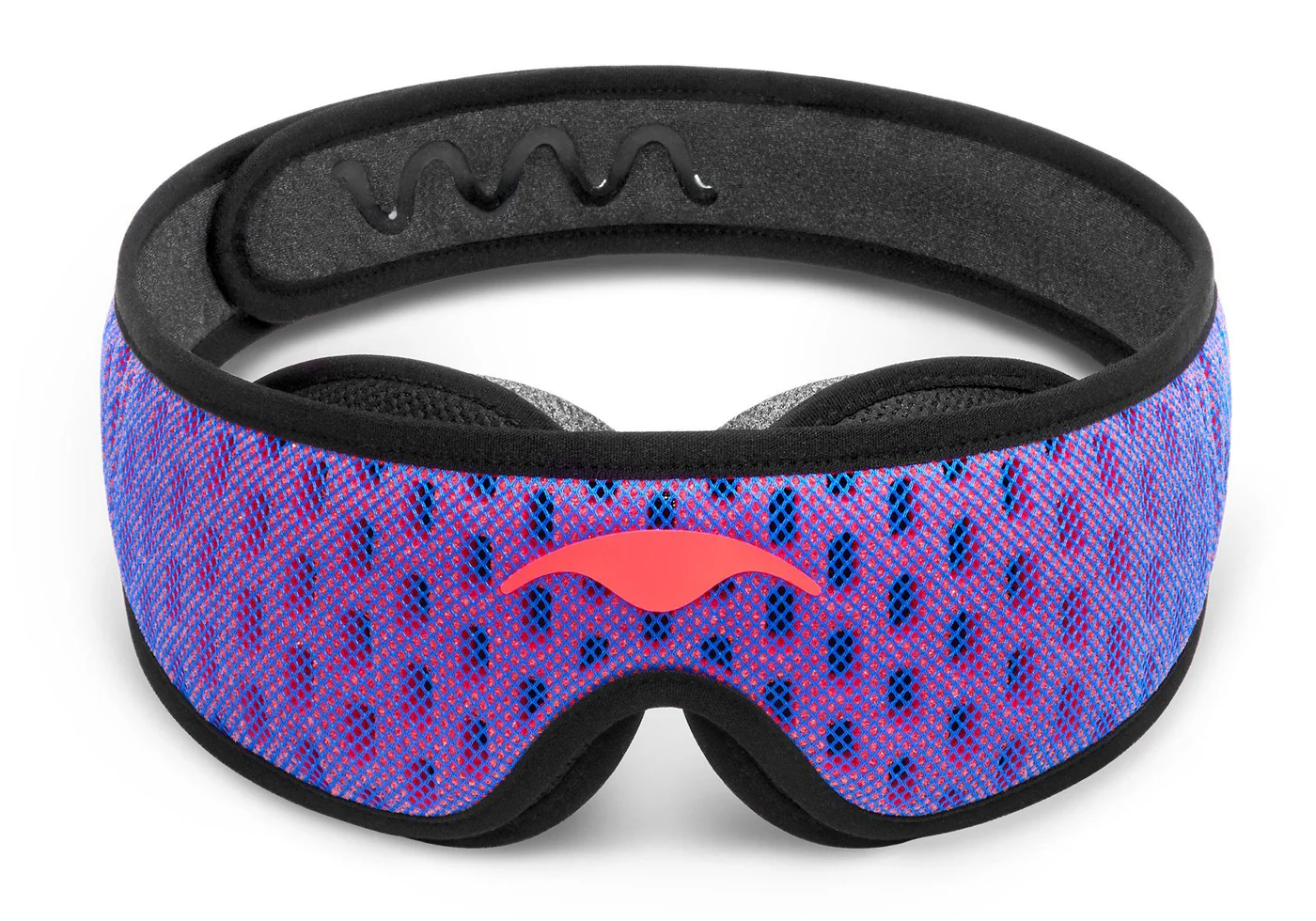
Best Overall: Manta Pro
The Manta Pro is the strongest all-around pick if you want serious blackout performance. It uses modular, adjustable eye cups and a tapered side-sleeper-friendly profile. It is widely praised for achieving true blackout while staying more stable against a pillow than many bulkier 3D masks.
Best For
- • side sleepers
- • founders in bright city environments
- • travelers who need reliable blackout
- • anyone who wants a premium mask that actually solves the light problem
Skip If
- • you want the cheapest possible solution
- • you hate adjusting or customizing gear
- • you want maximum simplicity over maximum performance
Pros
- • excellent blackout
- • better side-sleeper performance than most
- • highly adjustable fit
- • strong premium materials
Cons
- • expensive for a sleep mask (around $75)
- • the Velcro band may wear down after about a year of nightly use
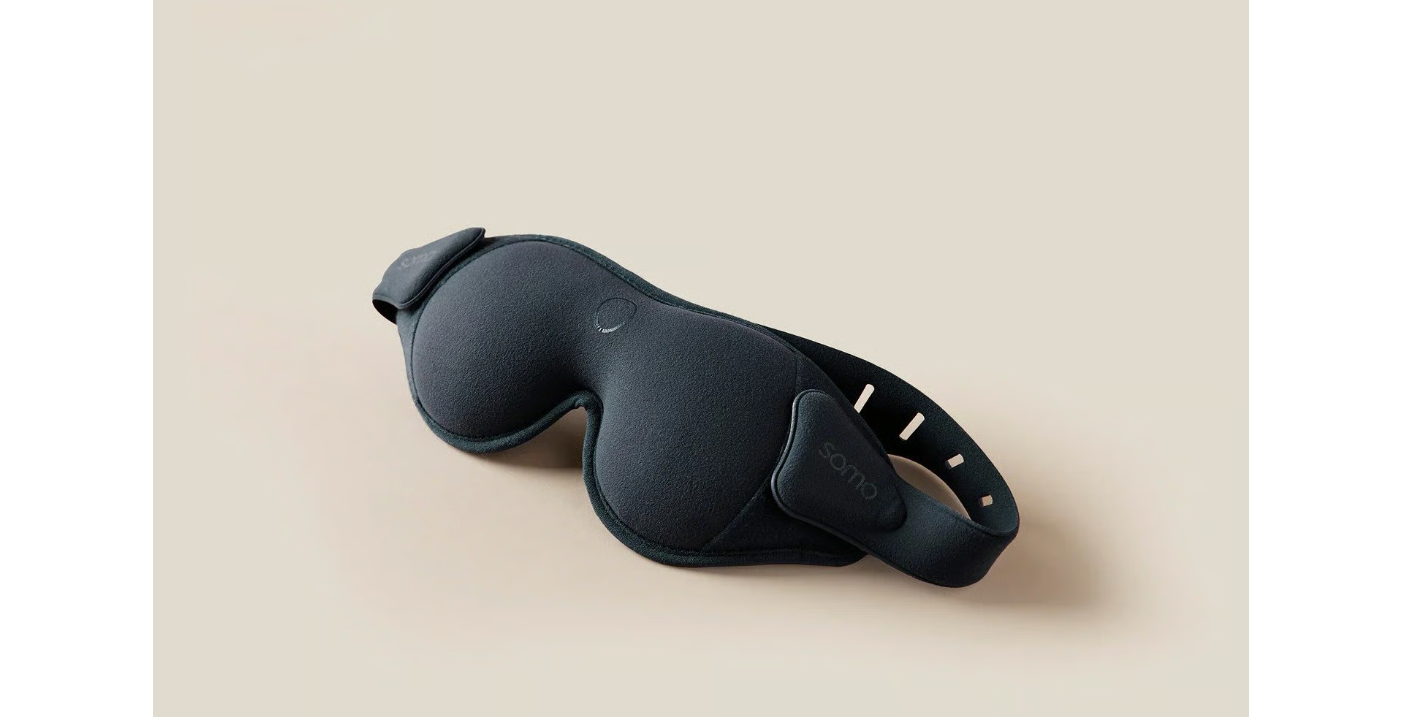
Best Premium Lightweight: SOMO Sleep Fitness Mask
The SOMO Sleep Fitness Mask is the more athletic, low-bulk premium option (around $59 to $69). It is lighter, more breathable, and more minimal-feeling than many foam-contour masks.
Best For
- • hot sleepers
- • founders who hate bulky masks
- • people who want a lighter, more flexible feel
Skip If
- • you want the strongest possible blackout customization
- • you prefer traditional padded structure
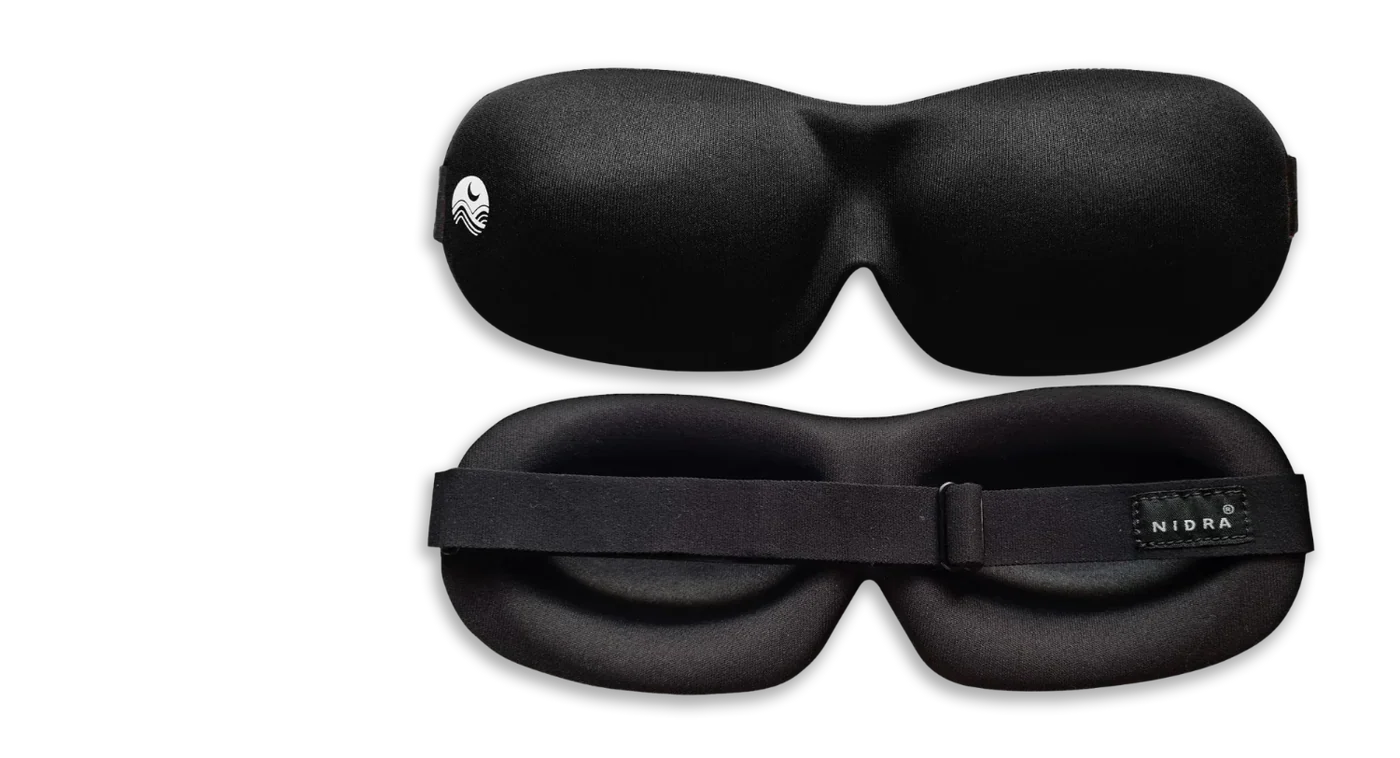
Best Mid-Range: Nidra Deep Rest
The Nidra Deep Rest is one of the strongest practical picks in the middle of the market, around $28. It balances blackout performance, durability, and side-sleeper usability better than most cheaper masks and appears to hold up well over repeated washing.
Best For
- • value-conscious buyers
- • people who want a dependable home mask
- • side sleepers who do not want to spend Manta money
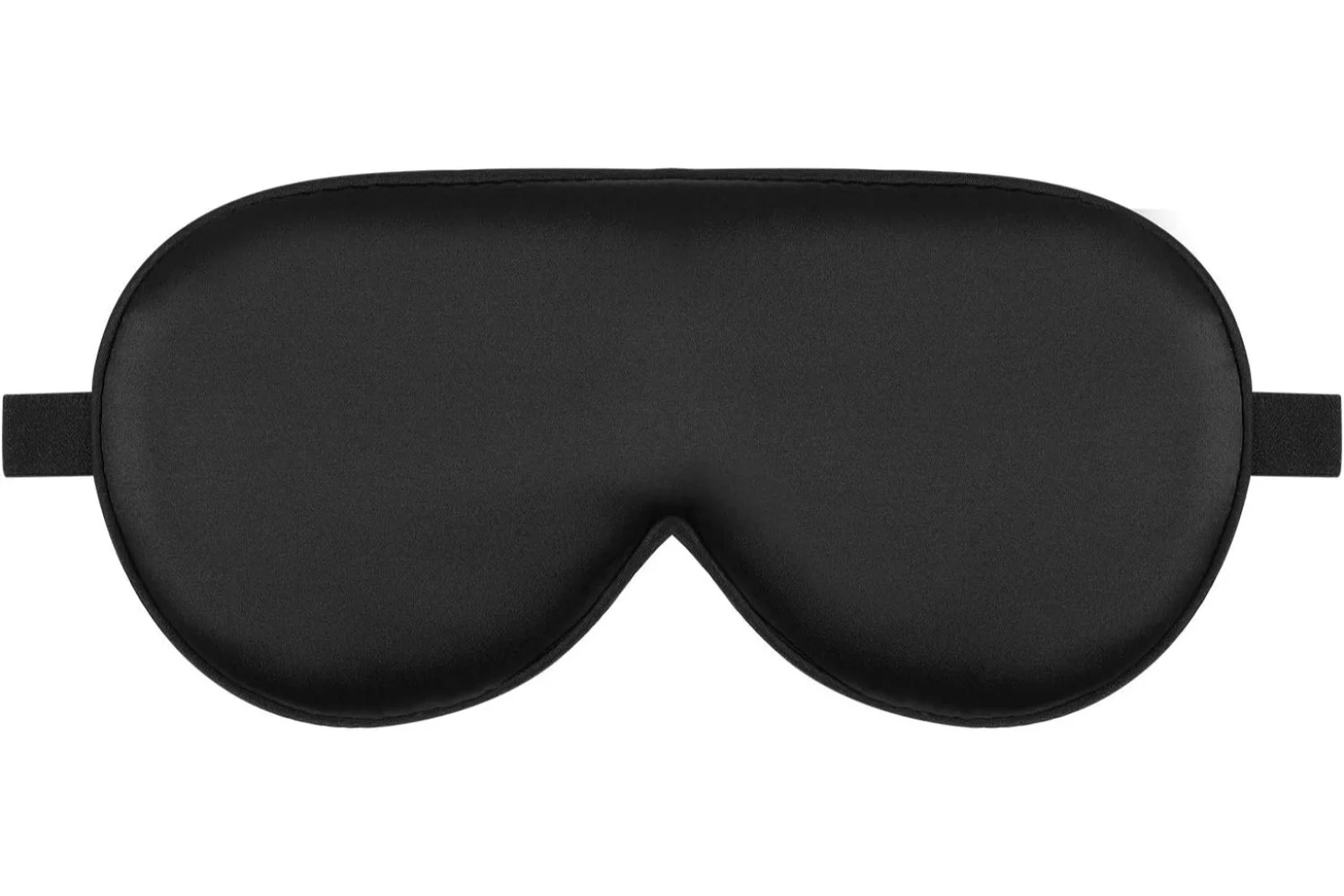
Best Budget / Travel: Alaska Bear Natural Silk Sleep Mask
If you want something cheap, simple, soft, and easy to throw in a carry-on, the Alaska Bear Silk Sleep Mask is still a strong low-cost pick at about $8 to $15.
Best For
- • frequent travelers
- • founders who want a cheap backup mask
- • side sleepers who dislike thick contours
Skip If
- • you need true premium blackout reliability
- • you want a mask built for long-term nightly use without replacement
Best White Noise Machines for Entrepreneurs
If noise is the problem, the best choice depends on the type of noise you are trying to control.
This category splits into two main groups:
- Mechanical white noise machines, which use real fans
- Digital sound machines, which synthesize or play soundscapes
For founders, that distinction matters more than it sounds. Mechanical machines tend to feel more natural over long nights. Digital machines tend to offer more precision.
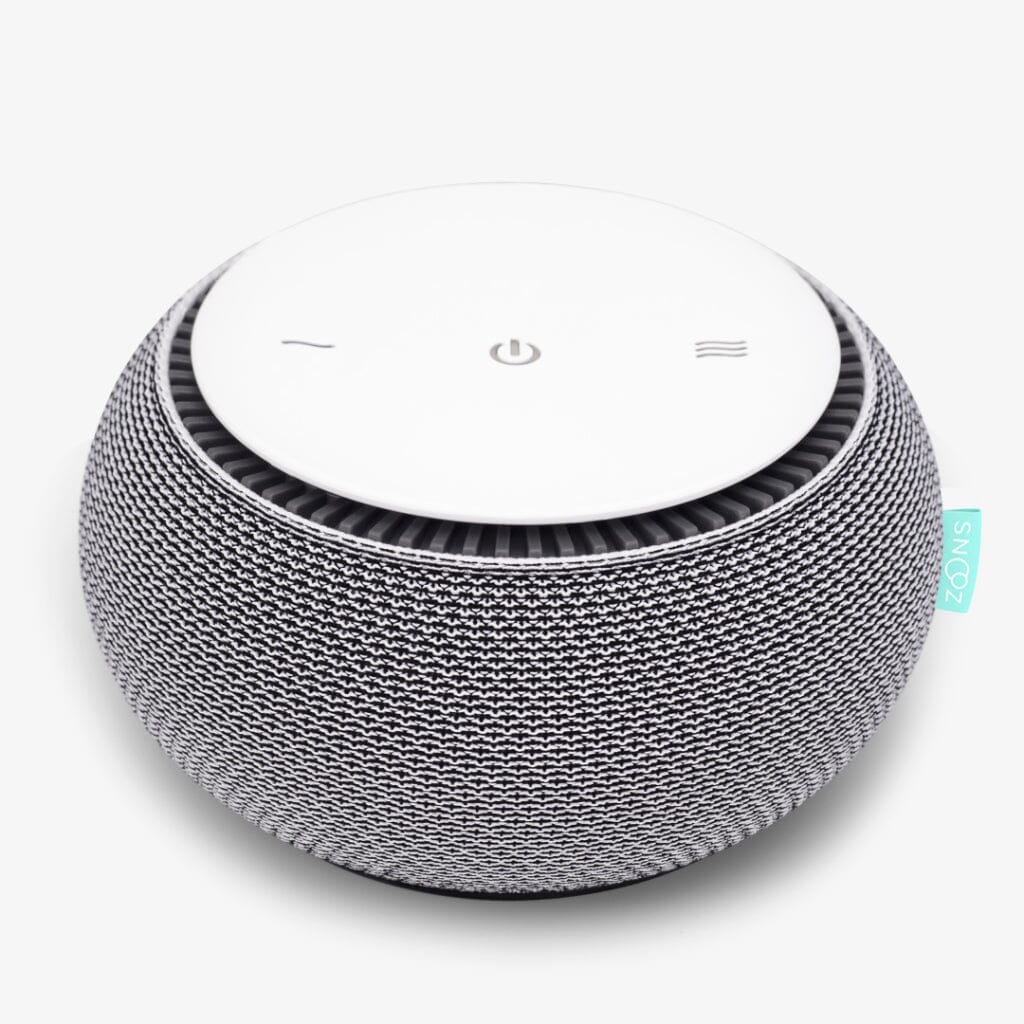
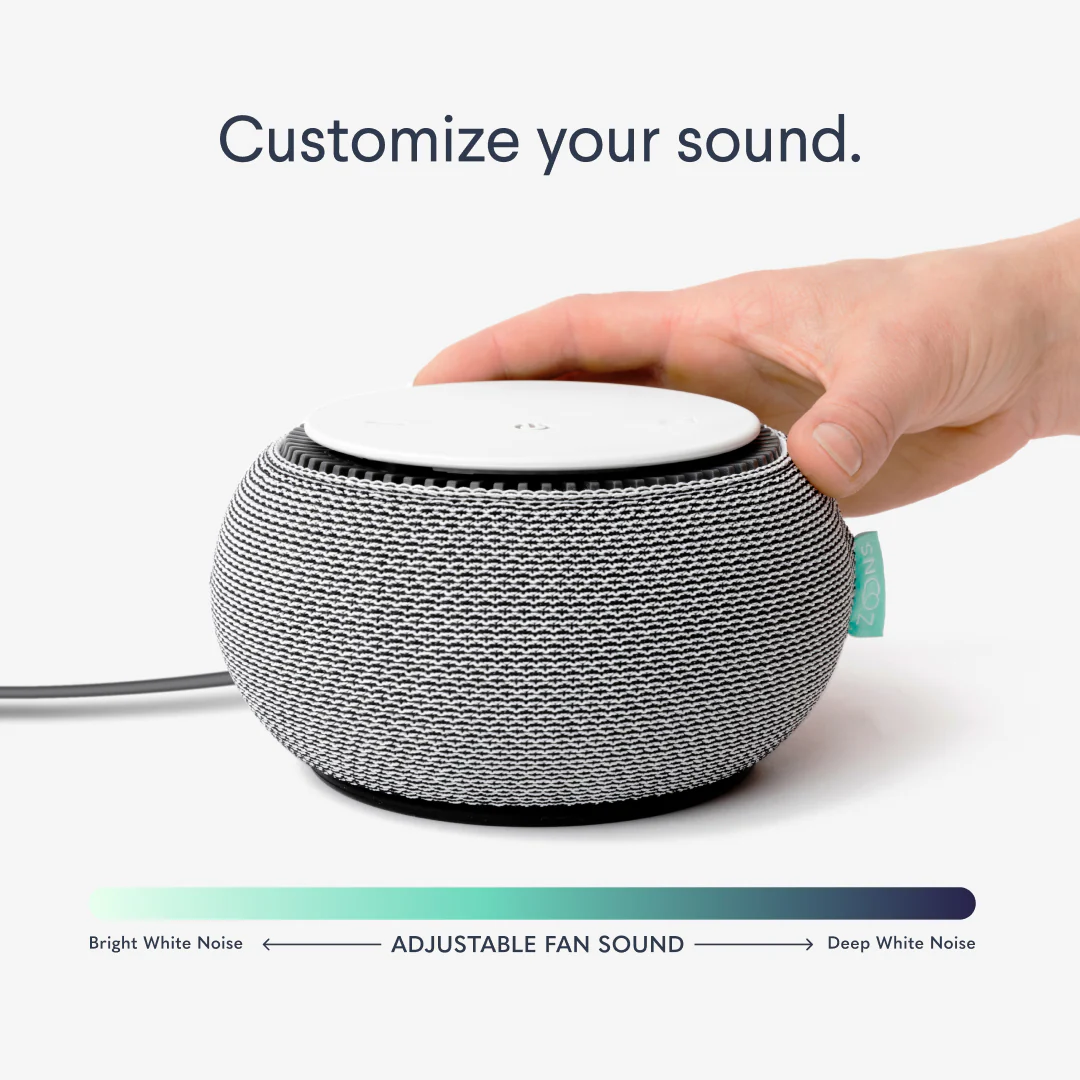
Best Overall: SNOOZ Original
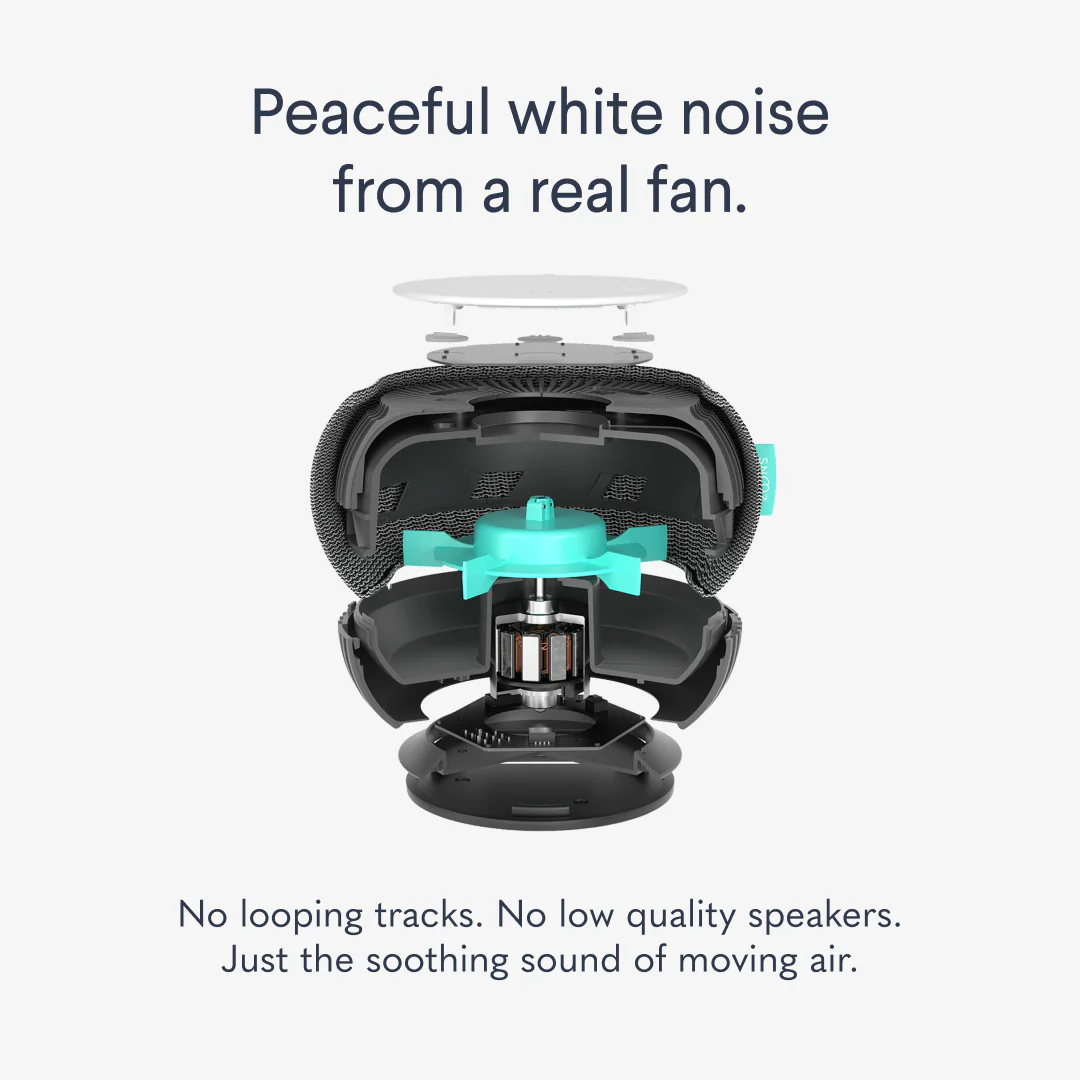
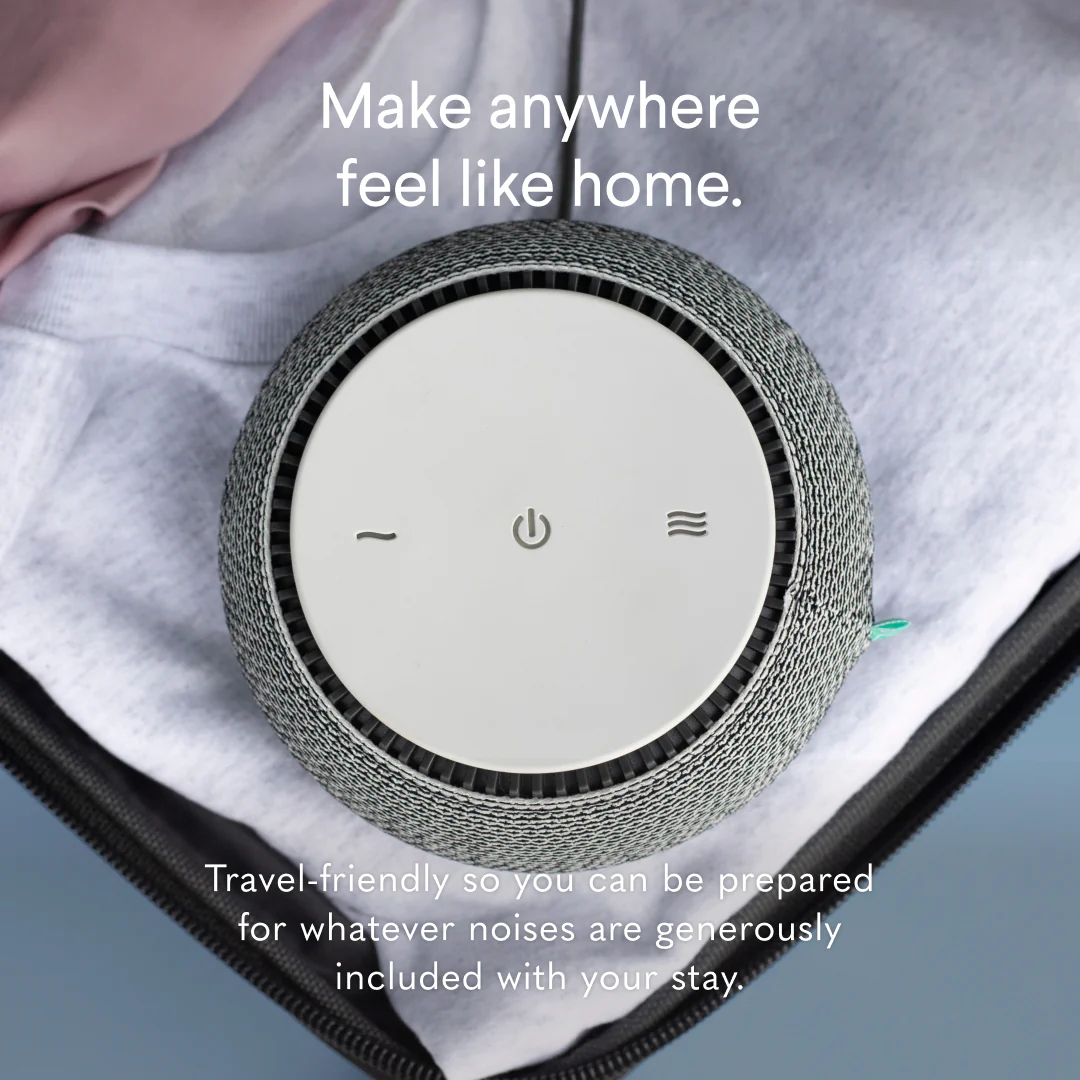
The SNOOZ Original is the best overall white noise machine for most founders. It uses a real internal fan, not looped digital audio, which helps avoid the repetitive feel that some people eventually notice with digital machines. It avoids subscription baggage entirely.
Best For
- • founders in noisy apartments
- • people who dislike artificial sound loops
- • users who want one reliable machine with low friction
Skip If
- • you want lots of nature sounds and audio variety
- • you want the cheapest possible option
Pros
- • natural fan-based sound
- • no subscription
- • strong durability reputation
- • easy to use nightly
Cons
- • fewer sound-style options
- • not the cheapest (around $100)
Best Digital Option: LectroFan EVO
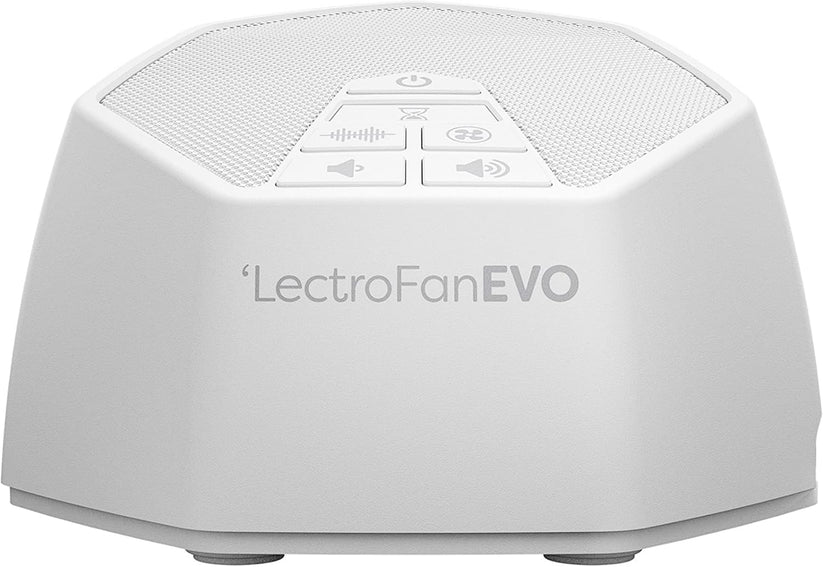
The LectroFan EVO is the strongest digital option for founders who want precise control, especially if snoring or lower-frequency noise is the problem. It offers multiple non-looping digital sounds, and is especially strong on pink and brown noise.
Best For
- • people masking snoring
- • founders who want more sound options than a mechanical unit
- • buyers who want strong value without app dependence
Skip If
- • you want the more organic feel of a real fan
- • you are sensitive to digital sound texture
Best Analog Gentle Option: Yogasleep Dohm
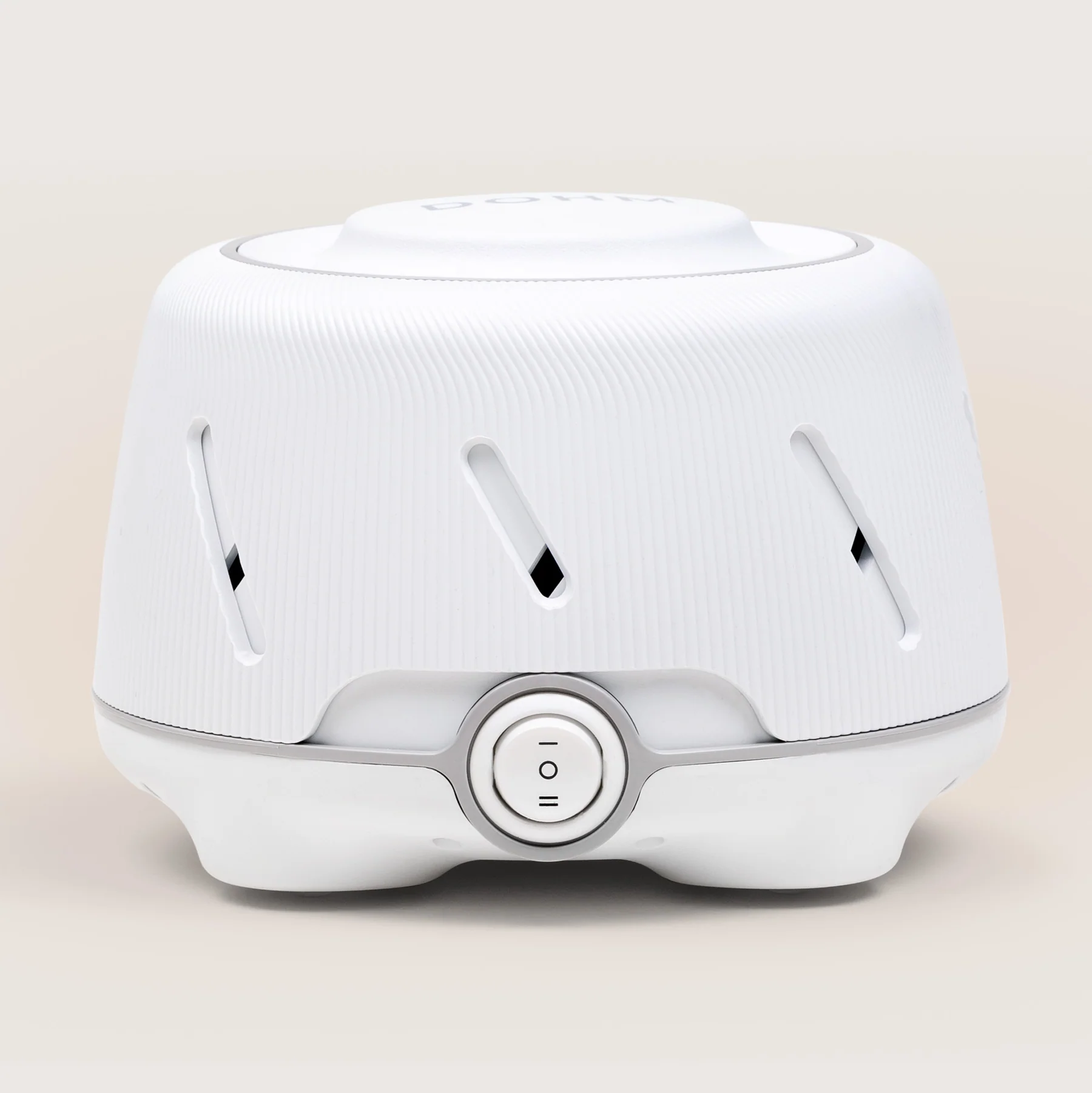
The Yogasleep Dohm is the analog simplicity pick. It uses a physical fan and a simple switch-based interface.
Best For
- • minimalists
- • people who want a soft, gentle sound floor
- • founders who hate apps and menus
Skip If
- • your environment is loud enough that you need stronger masking power
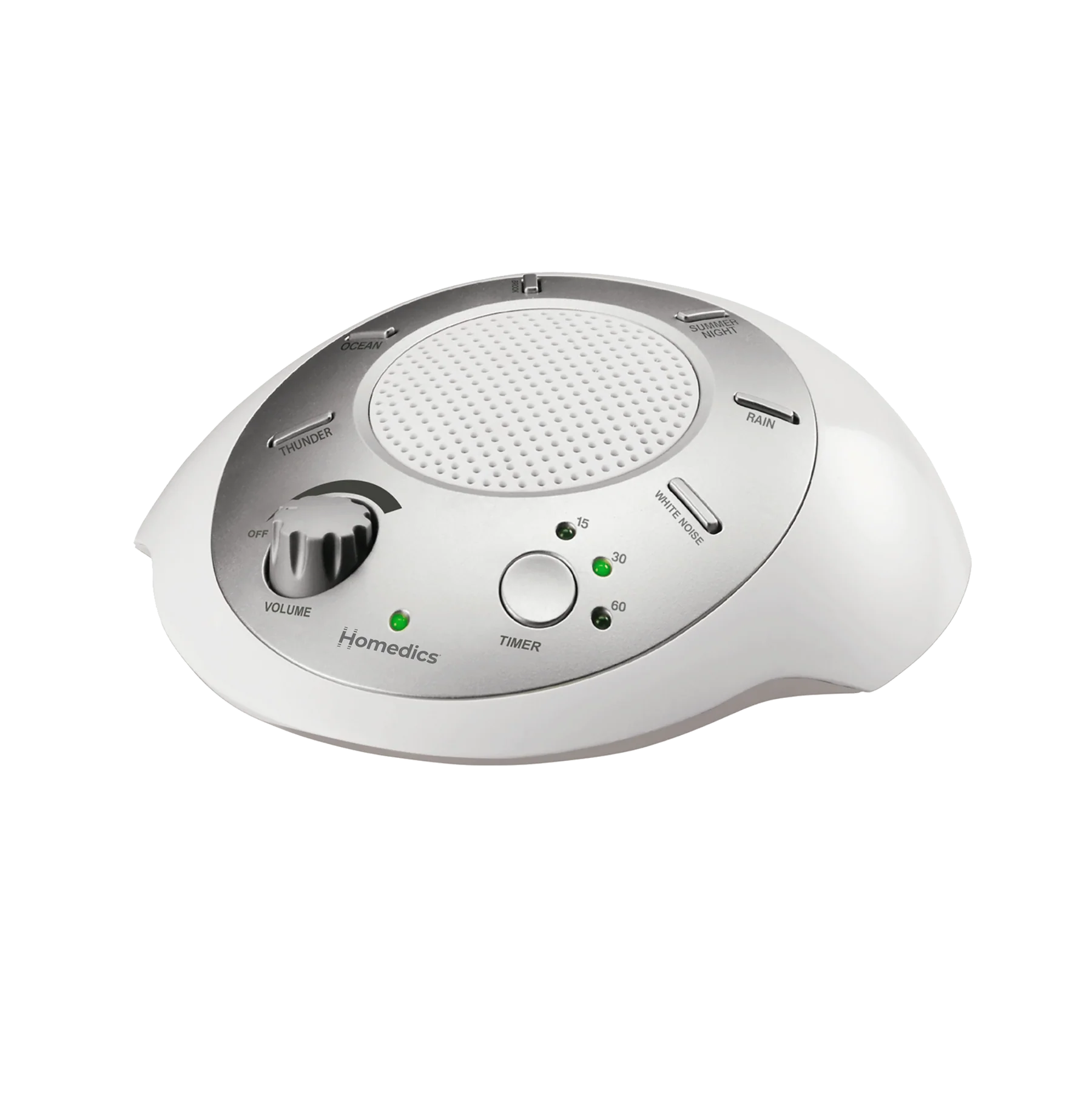
Best Budget / Travel: Homedics Sound Spa
The Homedics Sound Spa is not a premium machine, but it is one of the better cheap travel-friendly entries at around $24.
Best For
- • hotel kits
- • budget buyers
- • occasional use
Skip If
- • you want long-term primary-bedroom quality
Sunrise Alarm Clocks
A lot of founders do not just struggle with falling asleep. They struggle with waking up without feeling wrecked.
This is where sunrise alarms can help. Instead of dropping you into wakefulness with a harsh acoustic shock, they gradually increase light before the alarm, which can reduce sleep inertia and make early mornings less abrupt.
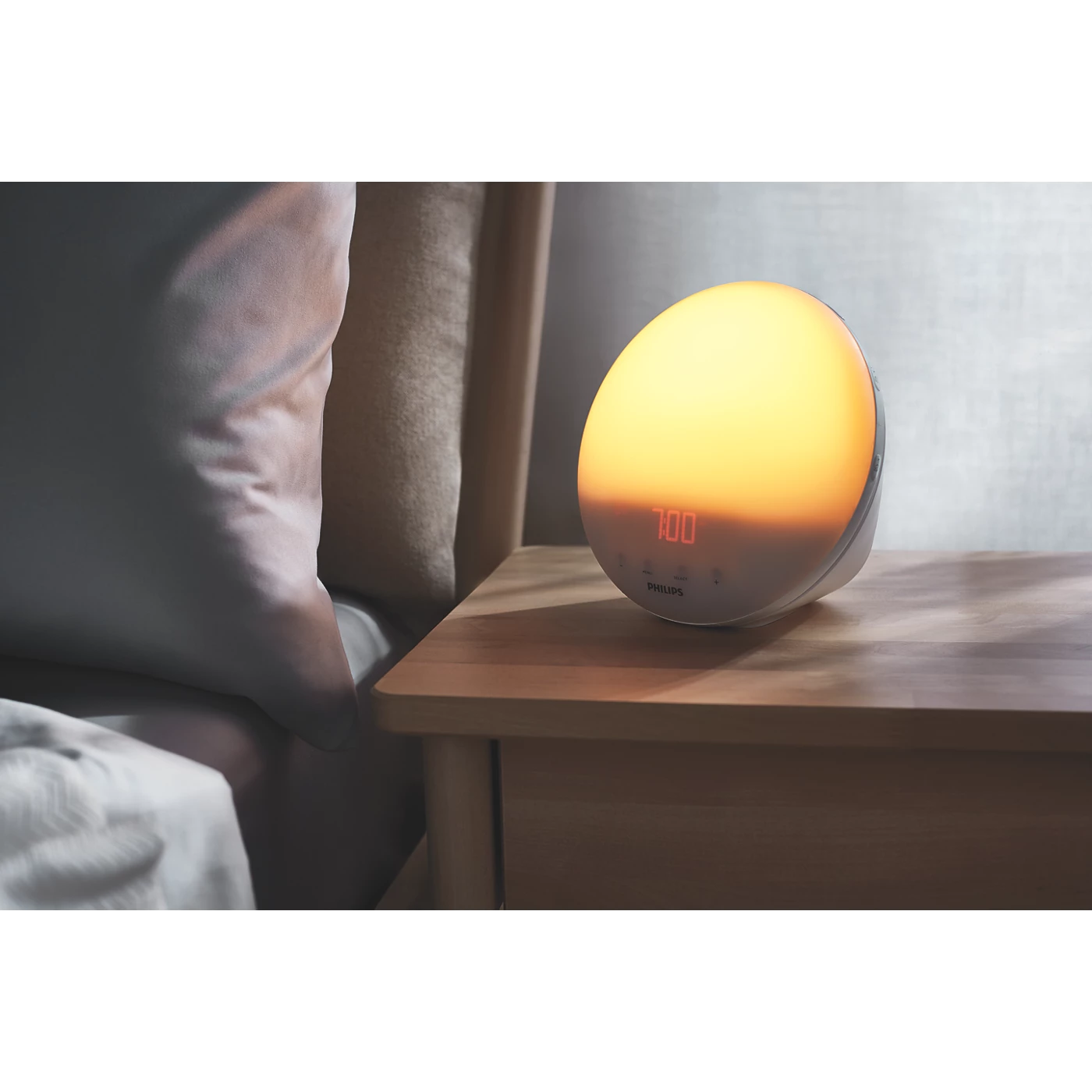
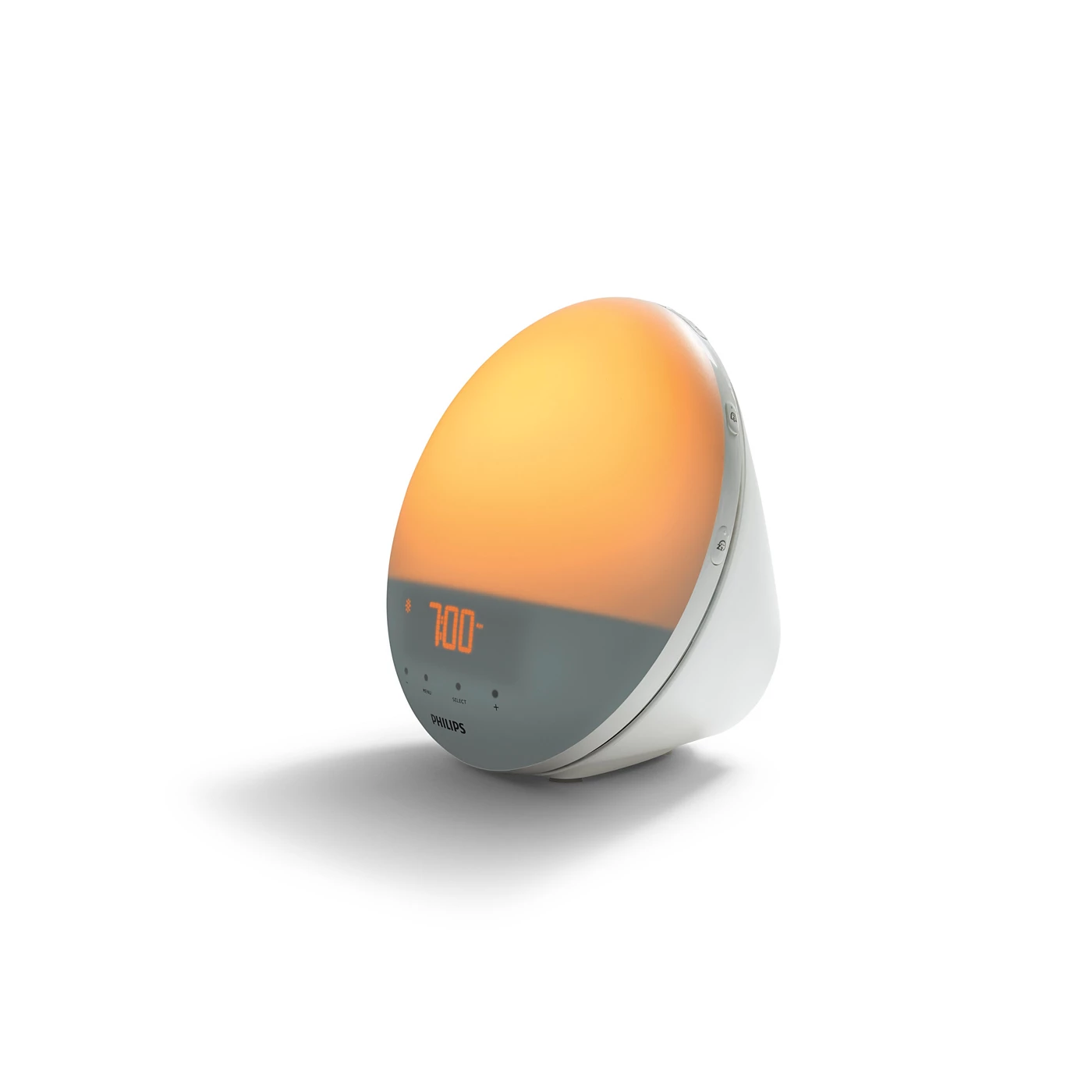
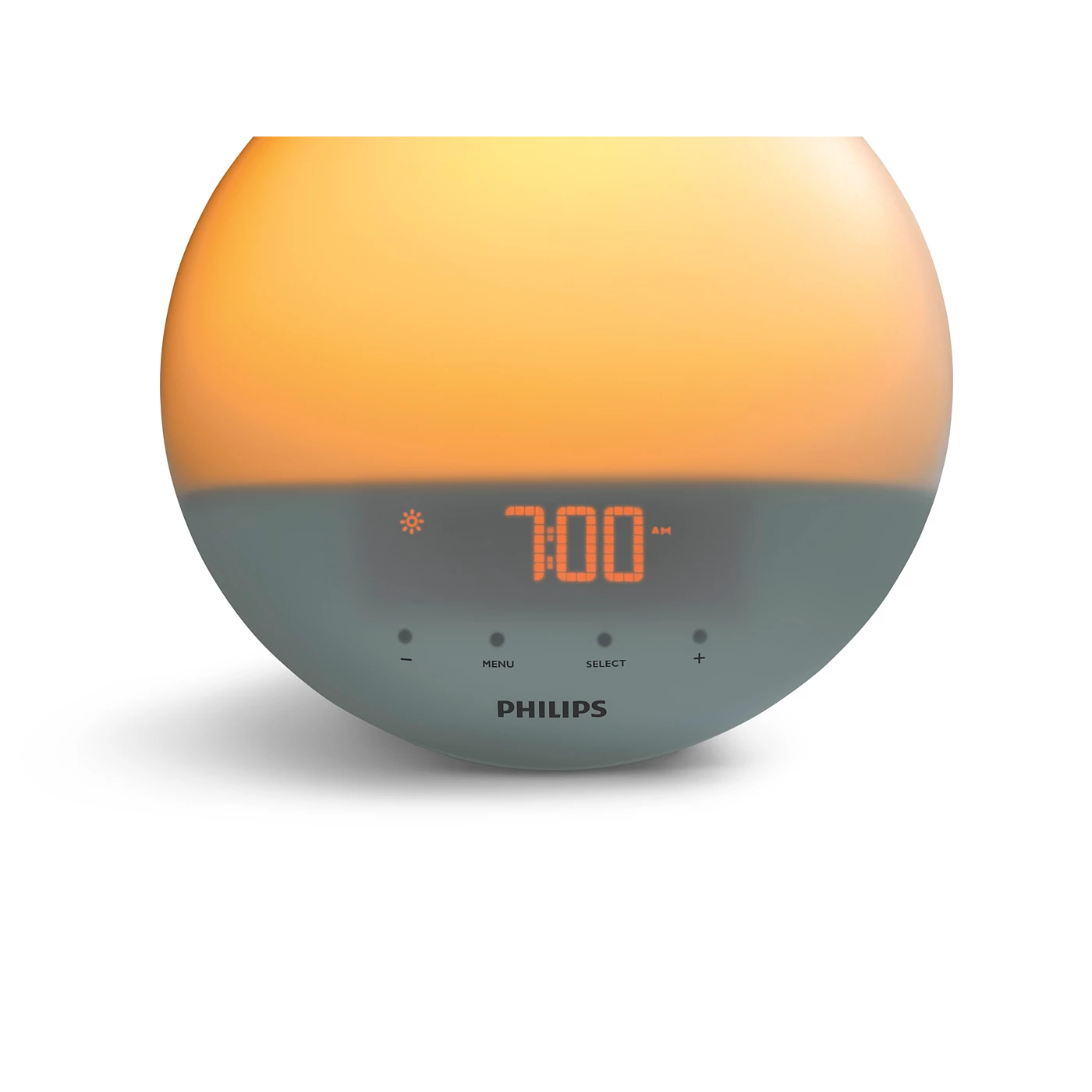
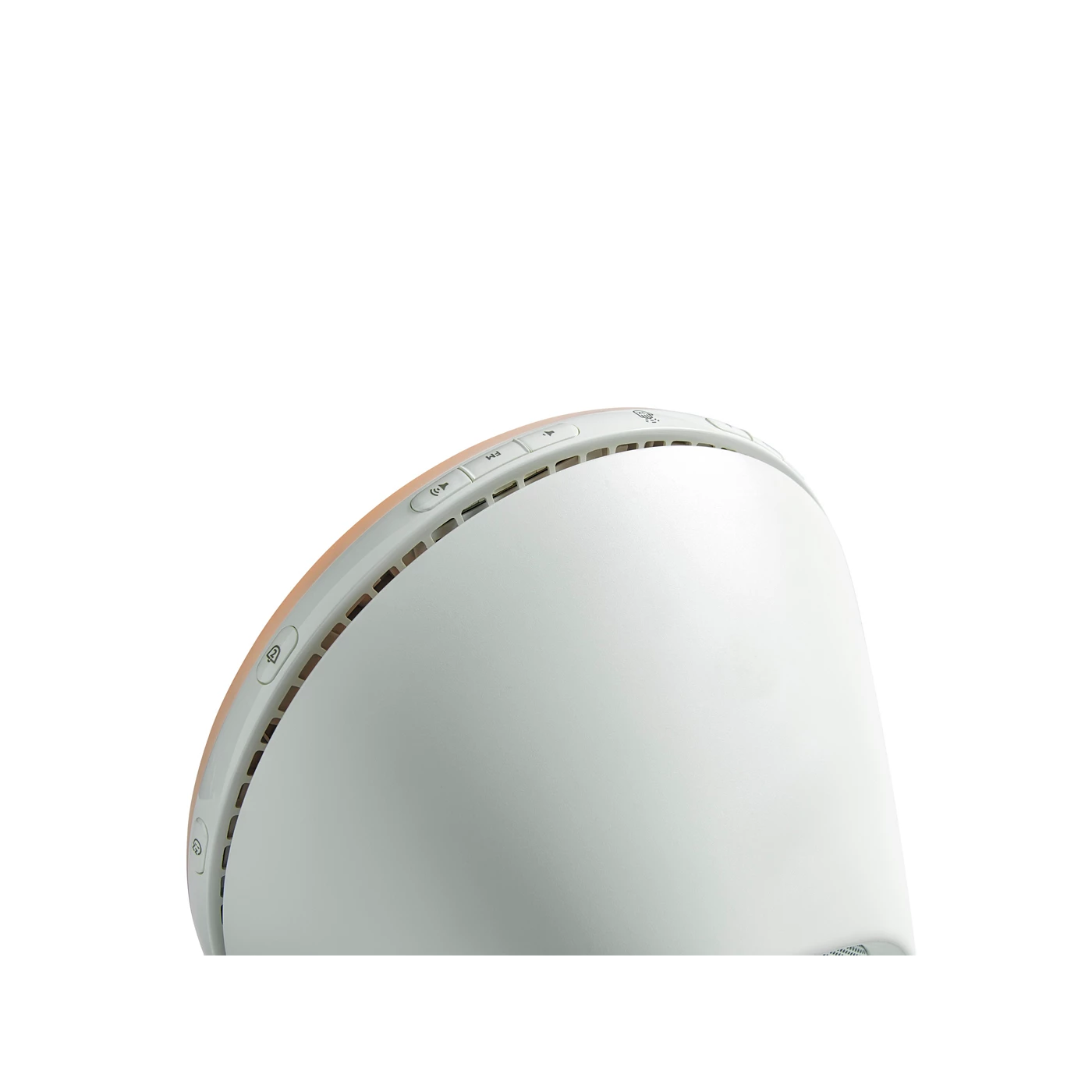
Best Overall: Philips SmartSleep HF3520
The Philips SmartSleep HF3520 is the cleanest recommendation in this category. It requires no app, and is widely regarded as one of the best all-around sunrise alarms because it focuses on doing the light simulation well without creating software friction.
Best For
- • founders who want gentler wake-ups
- • people trying to keep phones out of the bedroom
- • early risers with demanding mornings
Skip If
- • your wake time changes constantly
- • you sleep through light-based cues and need a very hard alarm
Pros
- • no app required
- • strong light quality
- • simple, practical daily use
- • good phone-free bedroom fit
Cons
- • not the cheapest (around $108 - $140)
- • sound options are more basic than some smart competitors
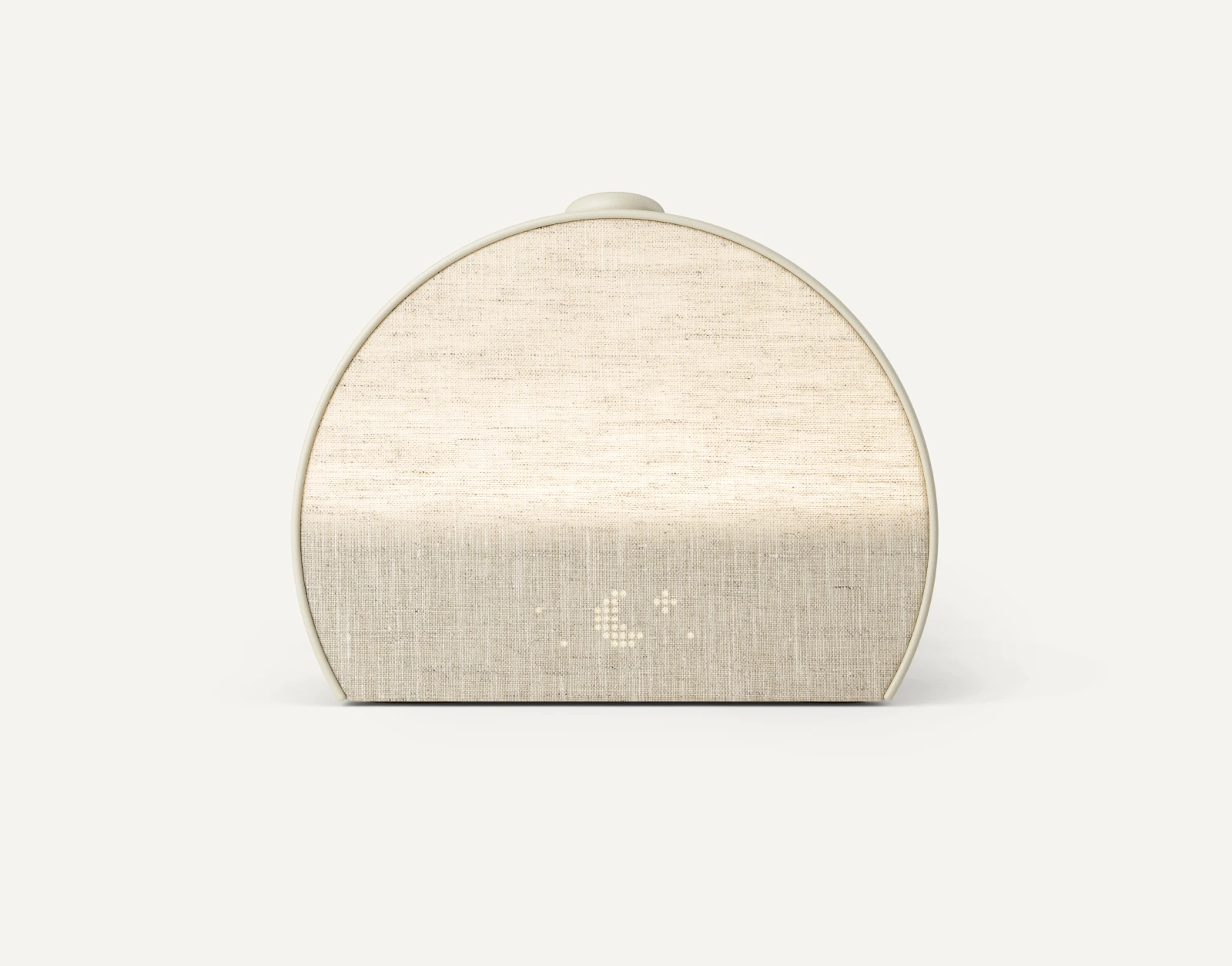
Best Premium Smart Option: Hatch Restore 3
The Hatch Restore 3 is attractive and feature-rich, but it needs careful positioning. While the hardware is polished, much of the value proposition is tied to a $49.99/year subscription for fuller access to the sound library and routines.
Best For
- • founders who really want an aesthetic all-in-one sleep clock
- • users already comfortable with app-managed routines
- • people who value design as much as function
Skip If
- • you hate subscriptions
- • you want a phone-free bedroom
- • you want a low-friction, set-it-and-forget-it device
Best for Heavy Sleepers
Lumie Shine 300: Stands out because it allows a longer sunrise simulation, up to 90 minutes, which can be more helpful for very slow wakers.
Best Budget Sunrise Alarm
Jall Wake-Up Light: If you want to test the category before spending serious money, this is the entry-level pick at around $39.
Best Earplugs for Sleeping
If the problem is sharp, inconsistent noise, earplugs often do more than a white noise machine. This is especially true for snoring partners, hotel noise, apartment hallway noise, or traffic spikes.
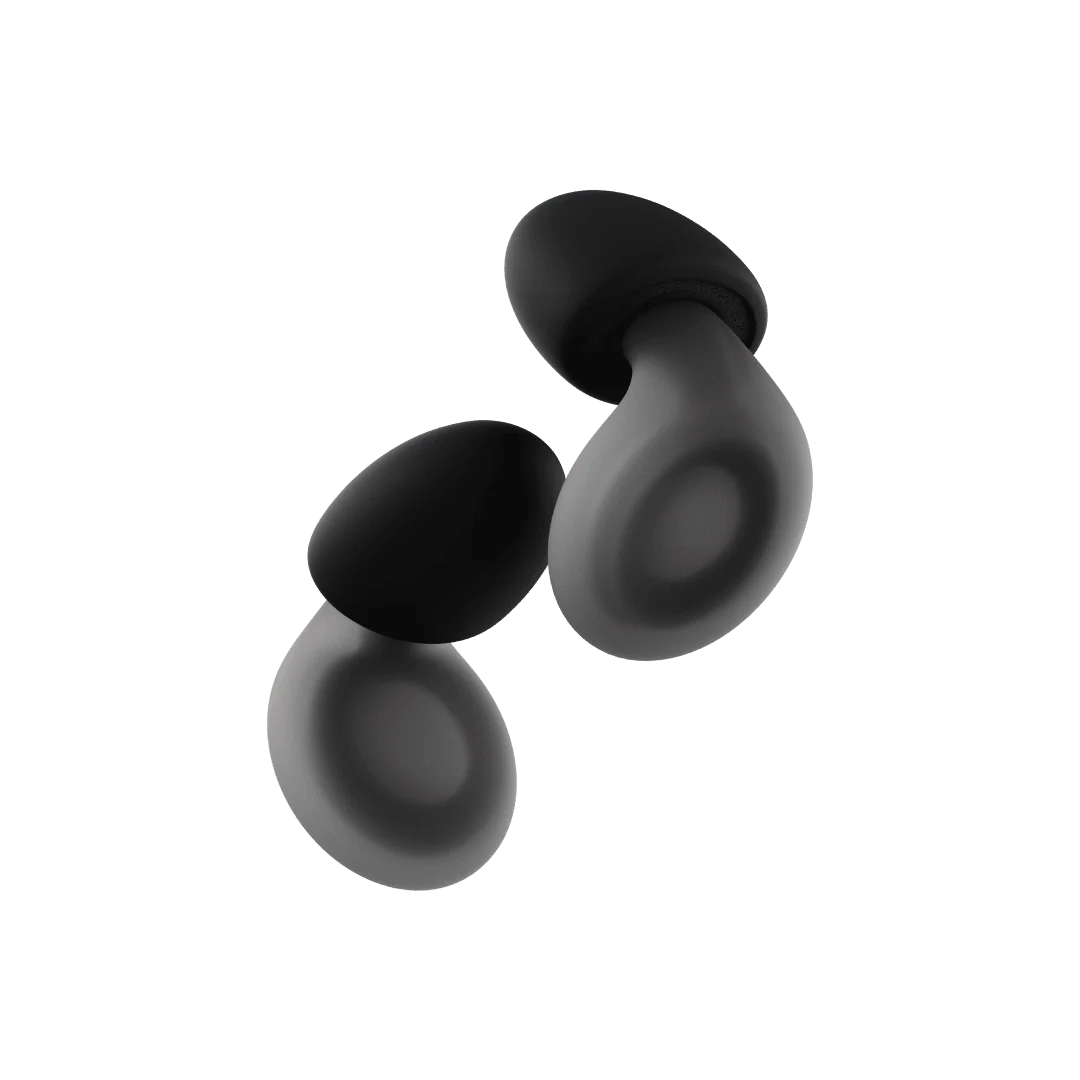
Best Reusable Earplugs: Loop Dream
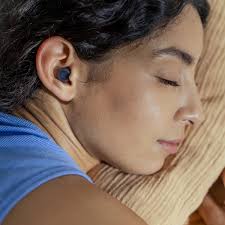
The Loop Dream is the strongest reusable recommendation for sleep. It uses a very low-profile design that sits flush in the ear, and is built specifically to solve side-sleeper discomfort better than many cheaper reusable plugs.
Best For
- • side sleepers
- • founders who want a reusable option
- • people who need stronger comfort than cheap foam usually provides
Skip If
- • you want the cheapest possible noise fix
- • you prefer maximum raw attenuation over comfort
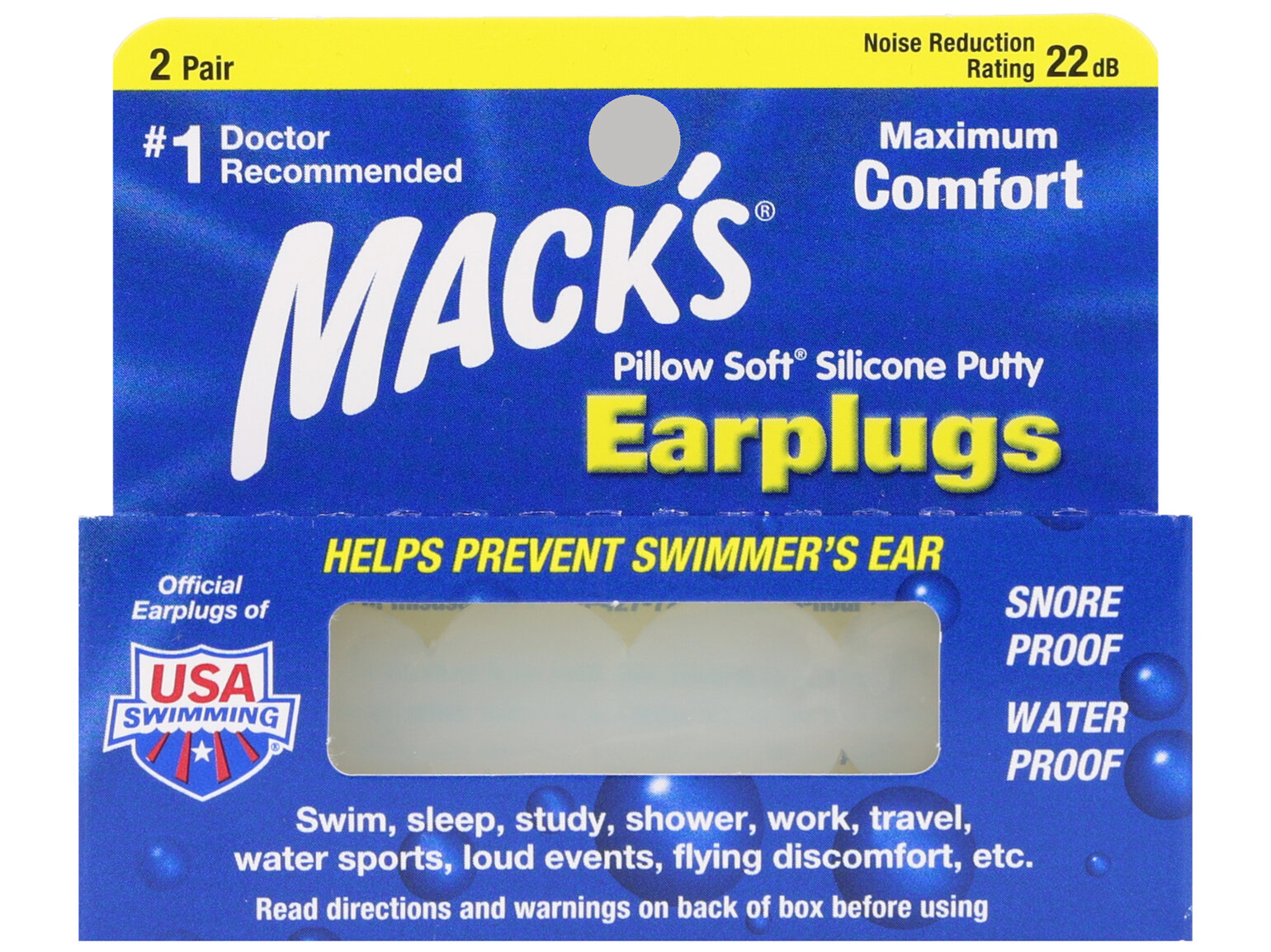
Best Cheap Earplugs: Mack's Pillow Soft Silicone Putty
If you want the cheapest high-return tool in the whole article, this might be it. Mack's Pillow Soft Silicone Putty Earplugs mold to the outer ear rather than sitting deep in the canal, making them excellent for side sleepers who hate internal pressure.
Best For
- • budget buyers
- • side sleepers
- • travelers
- • people who dislike deep-insert plugs
Skip If
- • you want a reusable long-term solution with less waste
Best foam option for maximum blocking
If the goal is raw noise reduction and you tolerate foam well, Mack's Slim Fit Foam is the stronger passive attenuation play.
Best active sleep earbuds
If snoring is the real enemy and you want active masking rather than passive blocking, SoundOff Sleep Earbuds are purpose-built for this, using preloaded pink noise rather than Bluetooth streaming.
Best premium streaming sleep earbuds
The Ozlo Sleepbuds are the premium streaming option, but they come with more software and connectivity friction. Useful for the right buyer, but not the cleanest recommendation for most founders.
Best Sleep Trackers and Wearables
This is the category where founders need the most restraint.
Sleep tracking can be useful. It can also become another dashboard to obsess over. The best use of a tracker is pattern recognition:
- How travel affects you
- Whether late dinners hurt sleep
- Whether alcohol, launch weeks, or late Slack blocks are showing up in recovery
- Whether your bedtime drift is worse than you thought
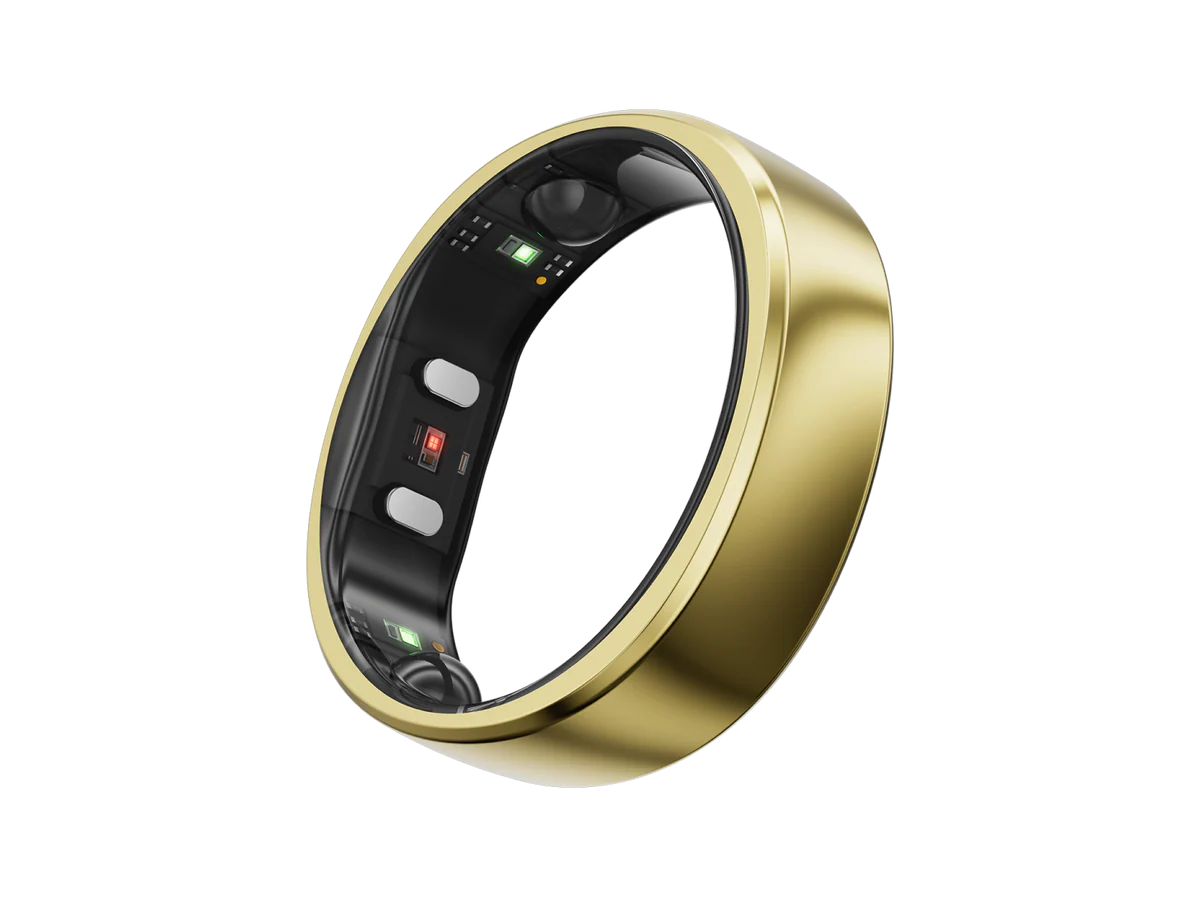
Best No-Subscription Ring: RingConn Gen 2
The RingConn Gen 2 is the cleanest recommendation for founders who want trend tracking without subscription annoyance. It offers around 10 to 12 days of battery life, and does not require an ongoing subscription to unlock the core value.
Best For
- • founders who want sleep data without another monthly fee
- • travelers
- • users who like ring form factors
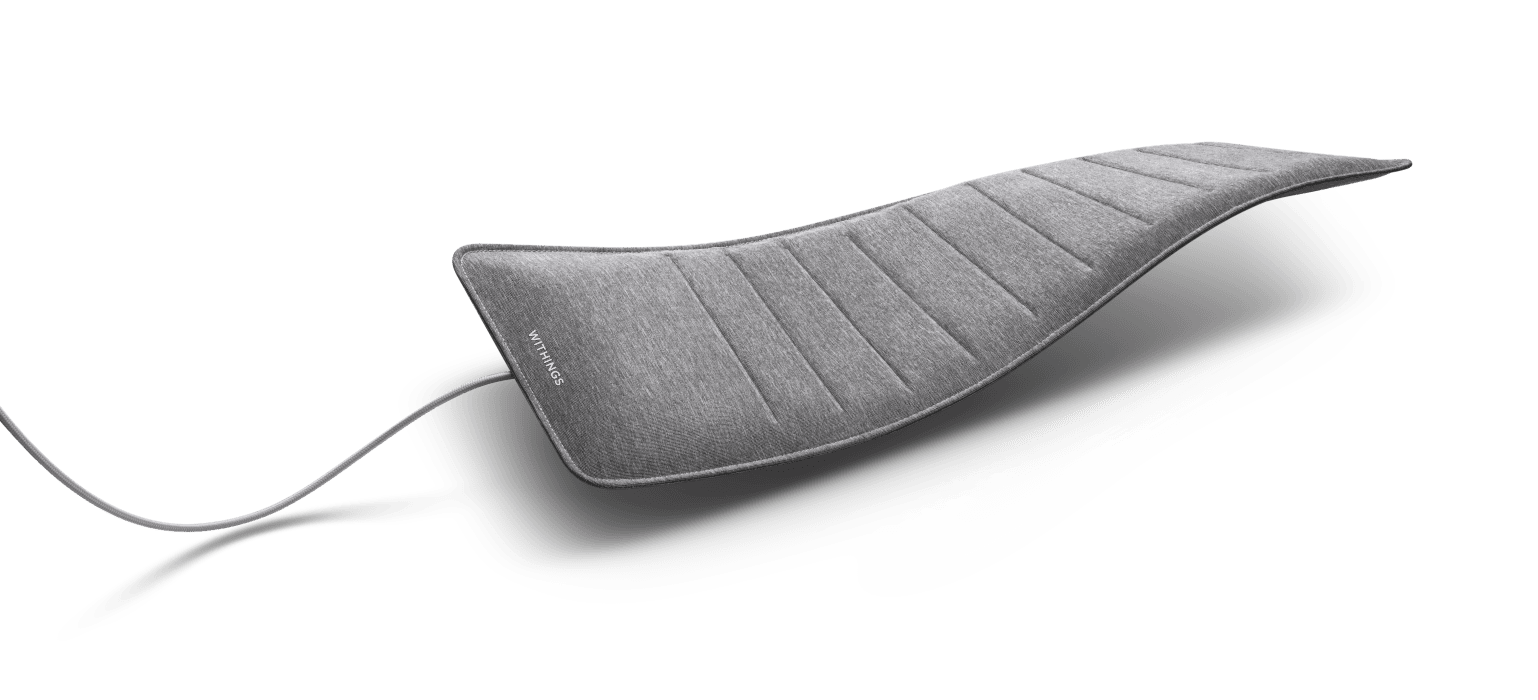
Best Under-Mattress Option: Withings Sleep Analyzer
If you want sleep tracking without wearing anything, the Withings Sleep Analyzer is the best friction-reduction choice. It sits under the mattress and avoids the nightly annoyance of wearing a device or remembering to charge it.
Best For
- • founders with wearable fatigue
- • people who want passive data collection
- • users who want simple home-bedroom trend tracking
Best Budget Tracker
Fitbit Charge 6: The better budget-conscious wearable pick if you want general fitness plus decent sleep tracking. It does not require a mandatory subscription for basic usefulness.
Best Algorithm, Worst Subscription
Oura Ring 4: Still one of the strongest trackers on algorithm quality, but requires a $69.99/year subscription for full value. Very good tracker, but a more annoying business model than it should have.
Want the full picture?
Explore our complete collection of sleep and recovery protocols.
Best Bedroom Upgrades for Home Use
Before buying more sleep tech, fix the room.
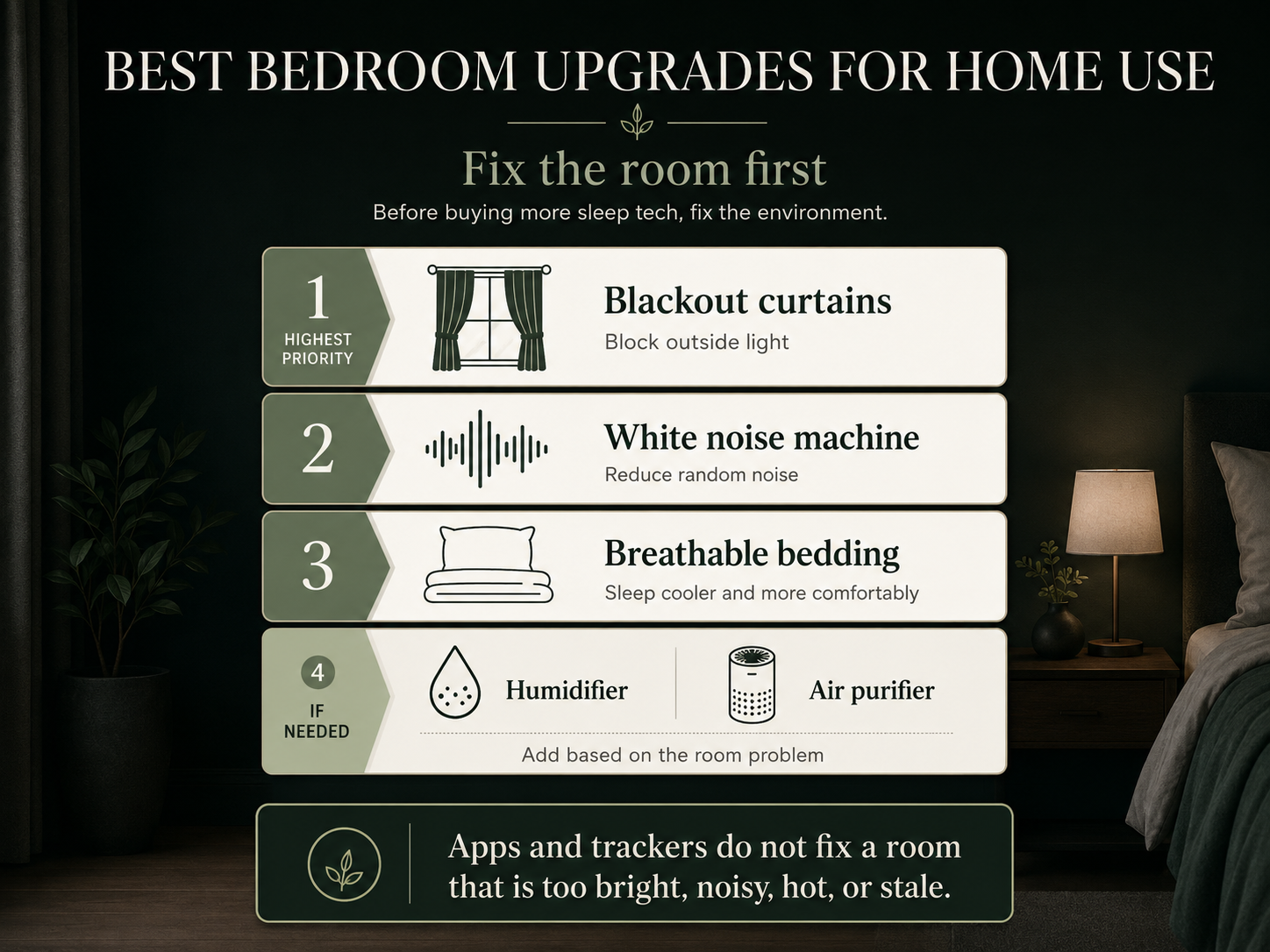
The highest-return home-bedroom upgrades are still:
- Blackout curtains
- White noise machine
- Breathable bedding
- Then, if needed, a humidifier or air purifier depending on the room problem
That is still the right order because sleep apps and trackers do not fix a room that is too bright, noisy, hot, or stale.
Best Travel Sleep Kit for Founders
If you travel often, the best sleep tools are different from the best home-bedroom tools. The travel standard is: small, durable, battery-friendly, low-friction, and useful in hotels and airplanes.
Best Simple Founder Travel Kit
- • Alaska Bear Silk Sleep Mask or Nidra Deep Rest
- • Loop Dream or Mack's Silicone Putty
- • Homedics Sound Spa if you want a portable sound machine
- • RingConn Gen 2 if you want sleep trend tracking without packing extra charging clutter
What Founders Usually Get Wrong
A few repeat mistakes show up here:
- Buying sleep tech before fixing light and noise
- Overvaluing smart features and undervaluing nightly usability
- Choosing products that create app friction or subscription annoyance
- Building a sleep stack that is too elaborate to survive a real workweek
- Obsessing over scores instead of patterns
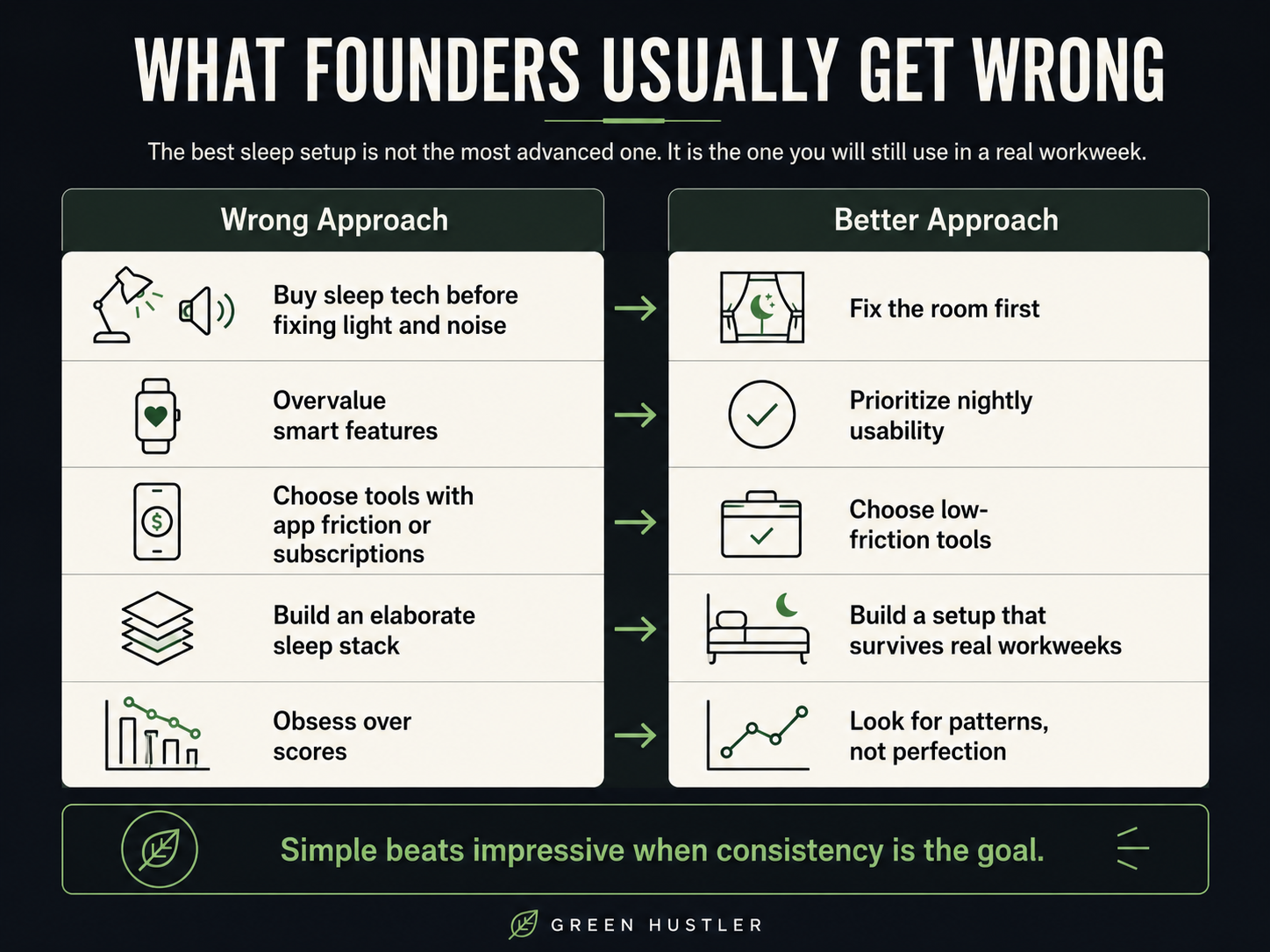
The best sleep setup is not the most advanced one. It is the one you will still use after a late dinner, a travel day, a stressful launch week, or an investor call that ran too long.
Final Verdict
If you want the cleanest, highest-return founder sleep setup, start here:
And if you want the simplest founder rule: Fix the room first. Add one tech tool second. Skip anything that adds more friction than it removes.
That is usually how you get better sleep without turning recovery into another system to manage.
Is your brain still running?
If sleep is breaking down because your brain never fully shuts off, you need to fix the workday carryover.
Note: This article is for educational purposes and is not medical advice. Product fit, sleep sensitivity, and noise or light tolerance vary by person. Read our full Medical Disclaimer.